
Closed-loop autonomous science workflow linking humans, AI systems, robots, and data

Autonomous science

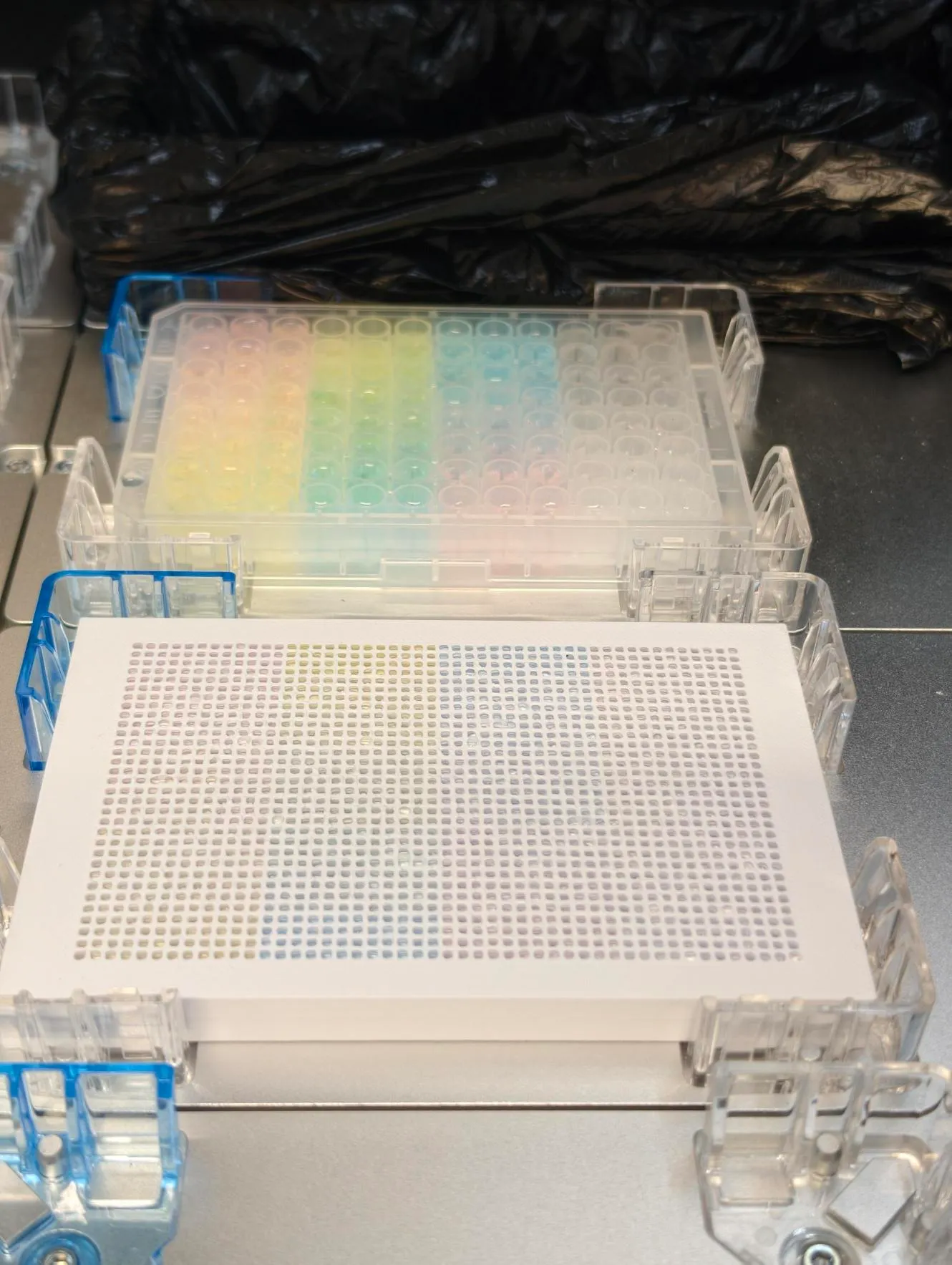
In an autonomous lab, scientists, AI systems, and robots work together in a closed loop. Human and AI scientists design experiments to explore and exploit the building blocks of matter; robots execute these experiments to assemble materials with targeted functionality; and the resulting data provide physical-world feedback to guide the next round of planning, execution, and learning.

Research Themes

Illustration for the Assembly in solution research theme

Assembly in solution

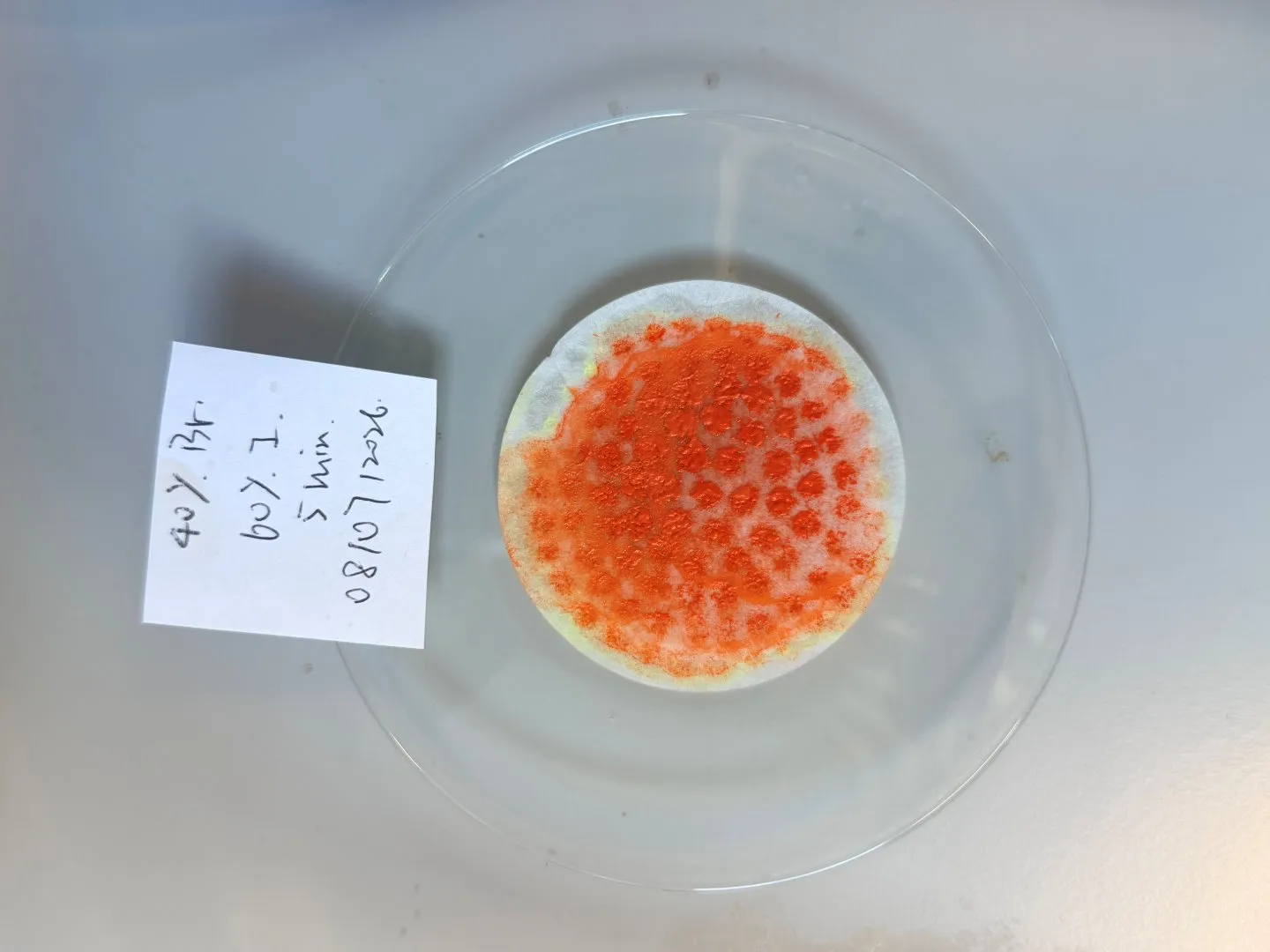
We study how hybrid halide perovskites and metal–organic frameworks crystallise from solution, where the interplay of thermodynamic stability and nucleation kinetics selects among competing polymorphs. Resolving these crystallisation pathways lets us direct phase formation towards target structures and functions.
Assembly at interfaces

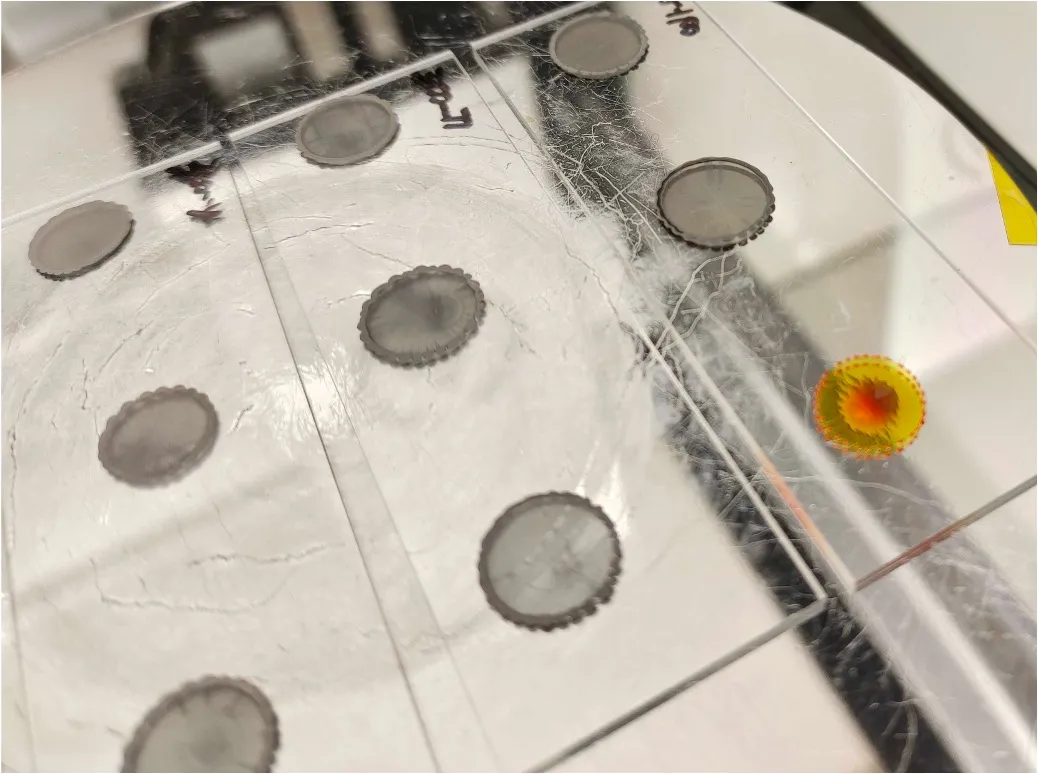
We deposit thin films by solution processing, where rapid solvent removal drives crystallisation far from equilibrium. Antisolvent addition and annealing steer this kinetic landscape, trapping metastable phases or suppressing phase segregation, and with it, the optoelectronic properties that matter for photovoltaics and light-emitting devices.

Illustration for the Assembly at interfaces research theme
Illustration for the Assembly on templates research theme

Assembly on templates

We use molecular templates as a bridging tool to direct inorganic growth and enable co-crystallisation of organic and inorganic building blocks; from nanoparticles to layered heterostructures that self-assemble in water. It offers a mild, sustainable route to precise hybrid materials.